And CanadaThe species is not typically considered a good garden plant as it suckers rampantly can grow to 30 feet and is. The first reason is that most people act shocked when you mention Sumac because the first thing that comes to mind is Poison Sumac.

Tiger Eye Sumac Rhus Typhina Leaf Structure Sumac Bonsai Soil
Changing with each season Tiger Eyes starts out chartreuse in spring turns bright yellow in summer and blazes scarlet-orange in the fall.

. Several Great Choices The most popular sumacs for landscape use are winged staghorn and smooth sumac either the native wild species or specially-bred cultivated varieties such as the golden leaf Tiger Eye sumac. Typhina Bailtiger Tiger Eyes cultivar provides year-round color in US. This can be done in late winter when you can see the shrubs form clearly.
Highways and roads in. Prune when the canes are still leafless and before new buds begin to form. Its found very appealing for its fuzzy red fruit clusters but sometimes becomes.
Lilies Tiger Lilies Easter Lilies Tulips and Calla Lilies are just some of the toxic plants found in the lily plant family. Tiger-eye Sumac Rhus typhina The Sumac itself is not a well-known variety for bonsai. The stems are like velvet and they do not branch out readily.
You also may need to prune it to maintain the desired shape. This is treasured for its interesting texture and form in the landscape. Tiger Eyes below is another staghorn selection thats getting a lot of press.
Not only is it organic and healthy but we can forage certain varieties for snacks meals drinks and spices. If its colorful foliage and elegant form dont do enough to recommend it its ease of care might. Some such as the Tiger Eye Sumac pictured below even resemble the lacy leaves of a Japanese maple tree.
Why is it so dangerous. You will not find poison sumac growing up on high dry hillsides where non-poisonous ornamental kinds typically grow. When it comes to sumac plants in the landscape Tiger Eyes sumac Rhus typhina Bailtiger hardy in US.
Department of Agriculture plant hardiness zones 4 through 8 just may take the cake. It grows in many parts of the world in North America Europe Middle East and the Mediterranean. The best time to prune Tiger Eyes staghorn sumac is late winter or early spring.
Whats a sumac tree. Rhus typhina Tiger Eyes Tiger Eyes Sumac Easy to grow Large foliage fronds emerge early spring Foliage starts chartreuse and matures to bright non-burning yellow Fall foliage is a brilliant scarlet Non-poisonous plant Pinkish colored stems. Other bouquet favorites are also likely to make your dogs and cats sick.
Tiger Eyes Sumac in early summer. If you look closely at the leaves poison sumac has upward pointing leaves and. Summertime brings large upright fuzzy flowers which become colorful long lasting fruit.
List of key staghorn tree facts. Poison sumac is a shrub or small tree differentiated from the common sumac staghorn sumac Rhus typhina growing along US. It was discovered in a cultivated nursery setting in July of 1985 as a whole plant mutation of R.
There are 250 geniuses of Sumac which can grow anywhere from four to 35 feet in size. The best way to identify both of these plants is by the clusters of BB-sized white berries that persist on the plants for much of the season. Tiger Eyes is more compact than the species and is not.
Heres the description of Tiger Eyes sumac from the PHS site. No reported toxicity to Birds. While Poison Sumac is some nasty stuff the type of Sumac I used is not poisonous at all.
This unusual Sumac has purplish-pink stems displaying exotic cut-leaf foliage. Foliage deciduous Flowering June to August. Tiger Eyes has no significant pest problems.
No reported toxicity to. Tiger Eyes sumac is quite winter hardy and a bit invasive spreading by underground rhizomes. It features golden deeply cut leaves in summer that change to red and orange in fall.
Plant Tiger Eyes sumac in well-drained soil and full to part sun. Staghorn sumac also called vinegar sumac is a short tree that grows in a roundish shape. TIGER EYES is a dwarf golden-leaved staghorn sumac cultivar that typically matures to only 6 tall and as wide.
After all until recently sumac poison ivy and poison oak were all classified under the same genus Rhus. Staghorn sumac Rhus typhina a member of the Anacardiaceae cashew or sumac family is a scraggly-looking shrub commonly seen growing on roadsides and other disturbed areas through the eastern US. It tolerates poor soils quite well thrives in clay and is drought tolerant once established.
It grows to about 6 feet tall and spreads very slowly. Contact with plant tissues especially when in active growth can cause a painful rash that can last for weeks. Poison sumac is far more potent than either poison oak or poison ivy and is sometimes identified.
I have found that it does not present an allergic reaction to people. To identify poison sumac look for a shrub or tree that has fairly sparse leaves compared to most plants. Some plants are obviously harmful to pets such as poison ivy oak or sumac.
Poison sumac is not edible and like any foraged plant or shroom you should be 110 sure of what youve found before eating it. Height 16 feet 5 m Exposure full sun Soil ordinary. Name Rhus typhina Family Anacardiaceae Type shrub.
The Tiger Eyes staghorn sumac R. It is one of the most common allergies in humans with as many as 85 percent of us being reactive. High-end restaurants are gathering and using sumac in their dishes.
It is all due to the chemical urushiol which is present in both Poison Ivy and Poison Sumac. Tiger Eyes Sumac Cutleaf Staghorn Sumac shrub with chartreuse leaflets changing to yellow contrasting with pink stems. It does sucker a bit but not nearly as much as the larger form of sumac.
Also effective when massed. Department of Agriculture plant hardiness zones 4. Yes some varieties are poisonous but many are not and its not difficult to distinguish them.
Rhus Tiger Eyes has no toxic effects reported. Tiger Eyes is a medium-sized shrub with striking color and interesting form. It is considered to be a superior landscape plant to Laciniata as well as to the species Rhus.
The toxin in poison oakivysumac is an oil called urushiol. Is Tiger Eye sumac poisonous to dogs. This deciduous shrub likes full sun and matures to around 6 tall x 6 wide.

Sumac And Its Uses Berries Forum At Permies
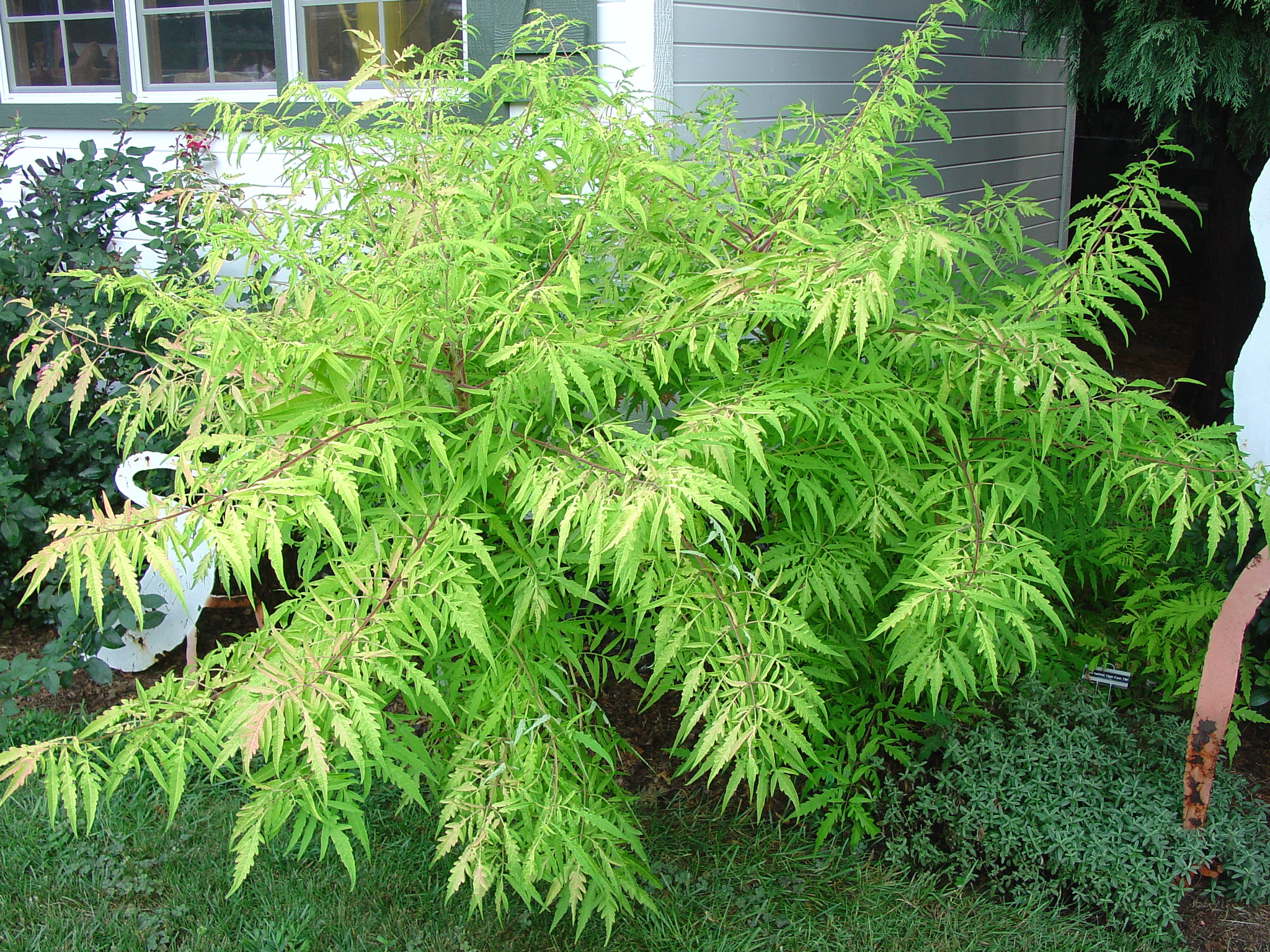
Tiger Eyes Sumac Far Less Aggressive What Grows There Hugh Conlon Horticulturalist Professor Lecturer And Gardener

Fiddling Around In The Fall Garden Autumn Garden Fall Landscaping Garden Containers

Plant Profile Tiger Eyes Sumac
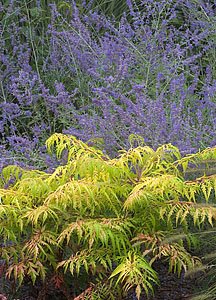
Country Gardener Gold Medal Plant Tiger Eyes Sumac
A Sumac For All Seasons Knecht S Nurseries Landscaping
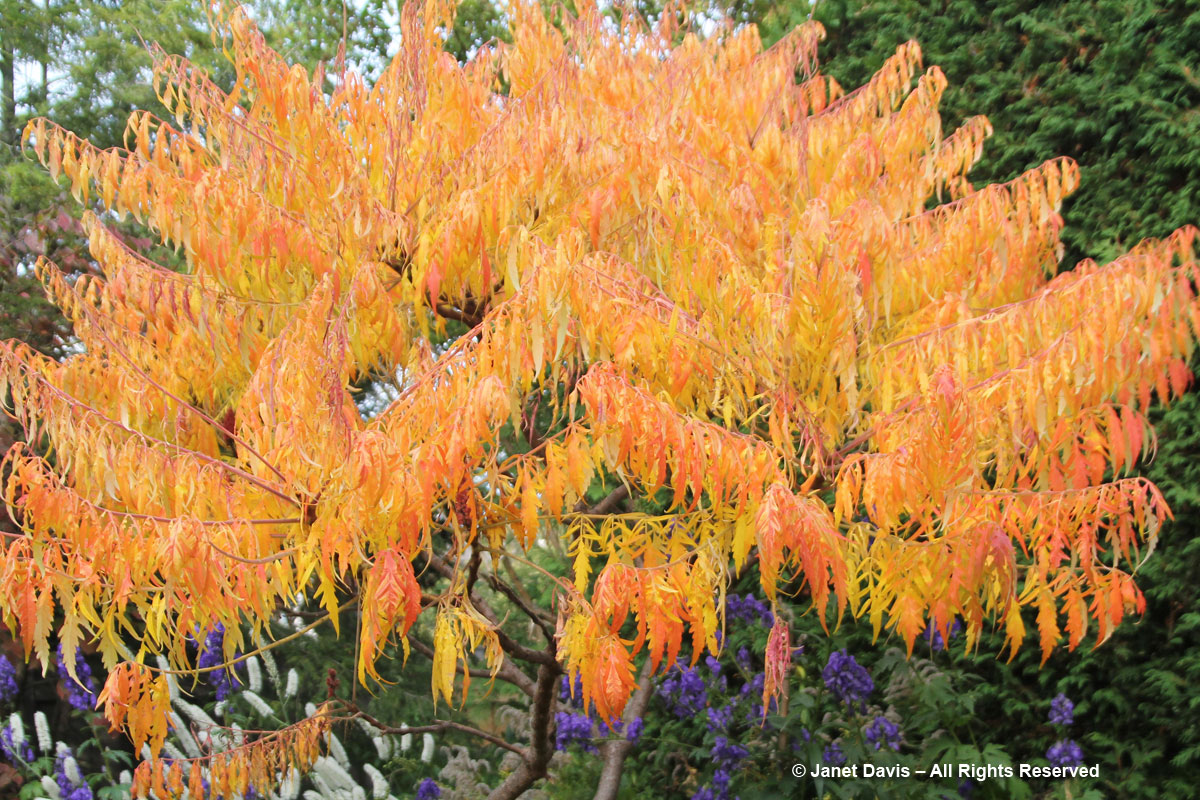
October 2017 Janet Davis Explores Colour

Tiger Eyes Cutleaf Staghorn Sumac First Editions

Tiger S Eye Sumac In My Neighbors Yard Is Lit R Marijuanaenthusiasts
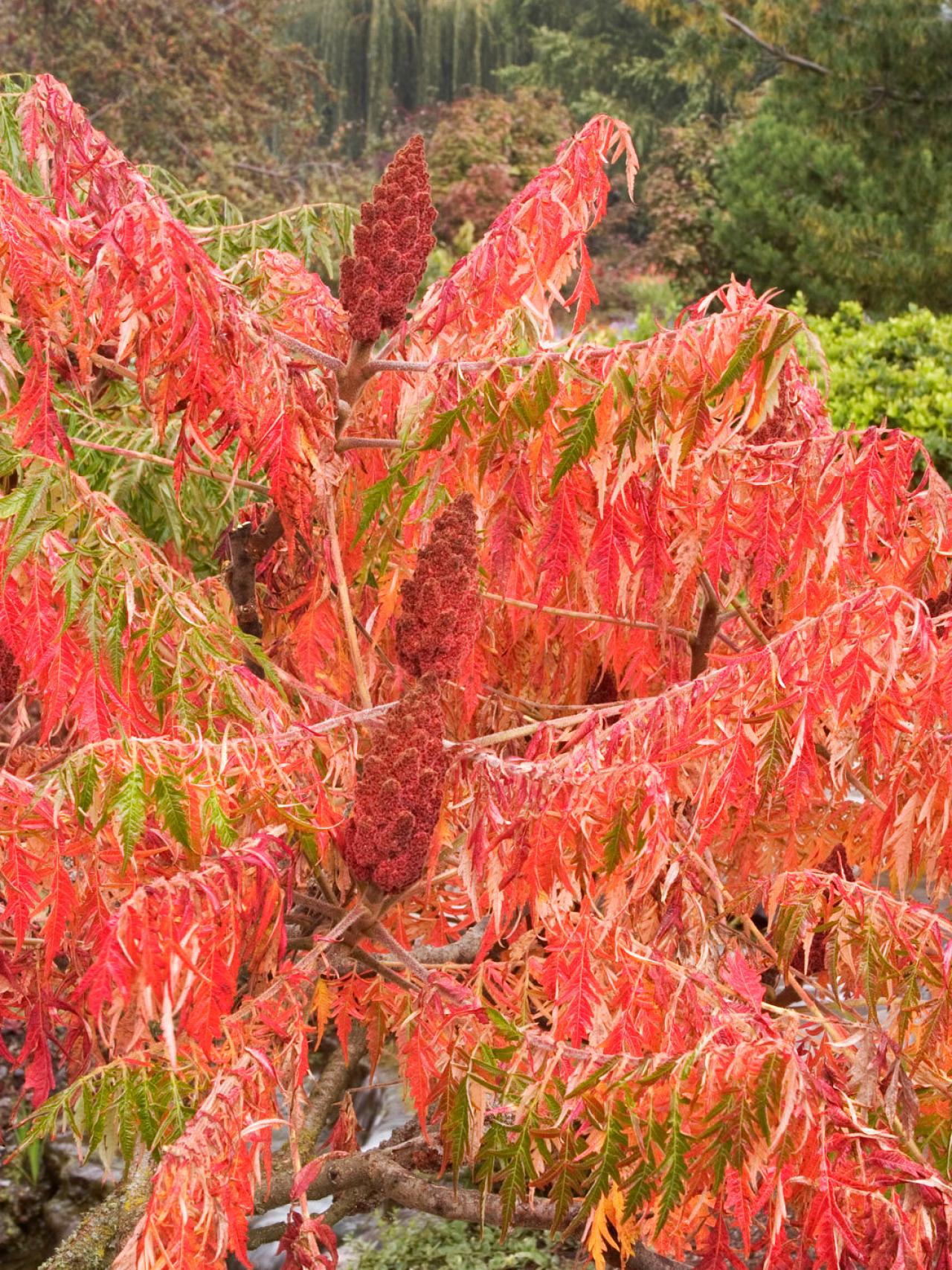
Sumac Trees Are Unsung Garden Trees Hgtv

Tiger Eye Sumac Rhus Typhina Bonsai Soil Leaf Coloring Leaf Structure
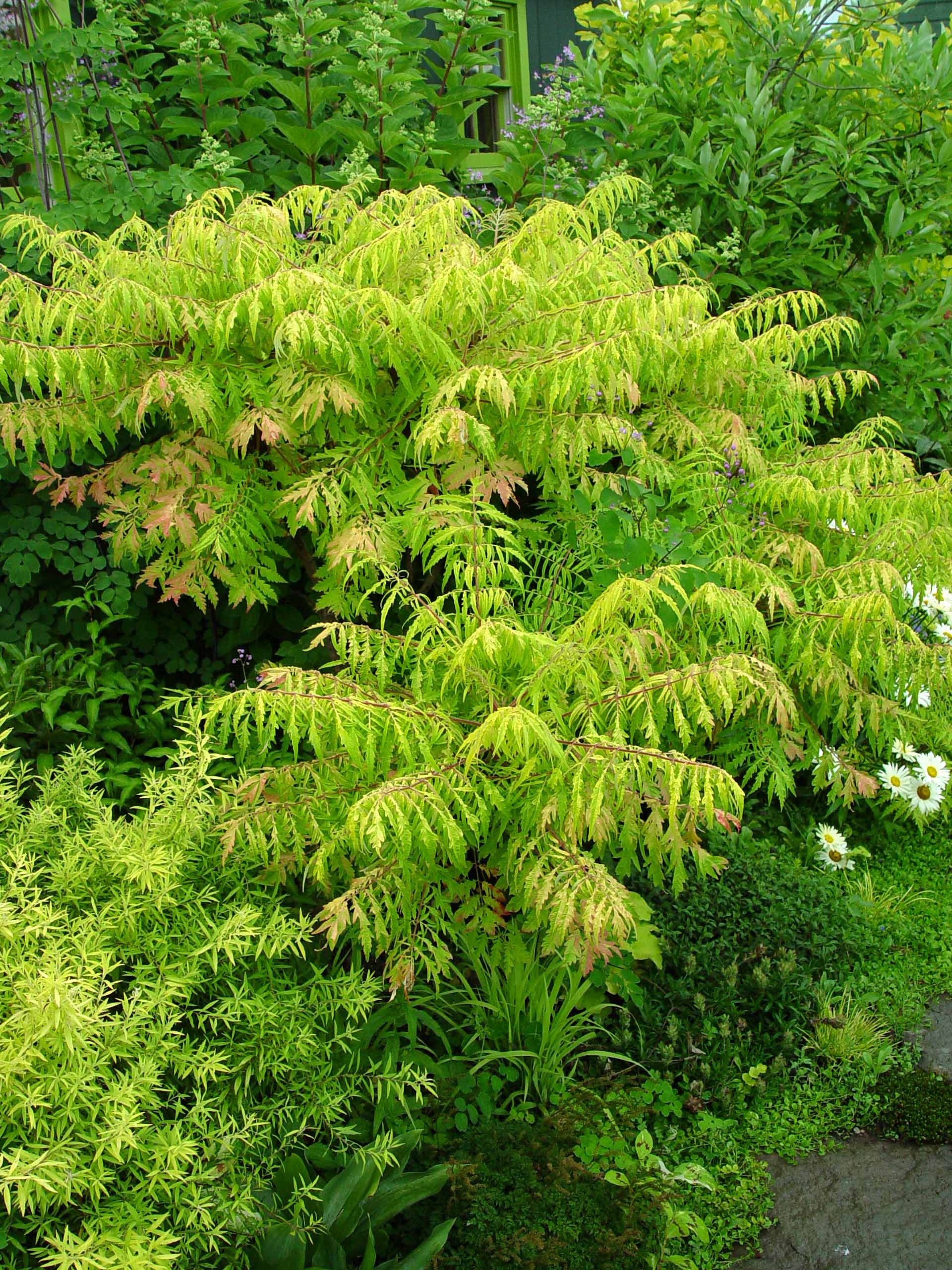
Sumac Tiger Eyes Garden Housecalls

Tiger Eye Sumac Rhus Typhina Sumac Bonsai Soil Leaf Structure

Tiger Eyes Cutleaf Staghorn Sumac First Editions
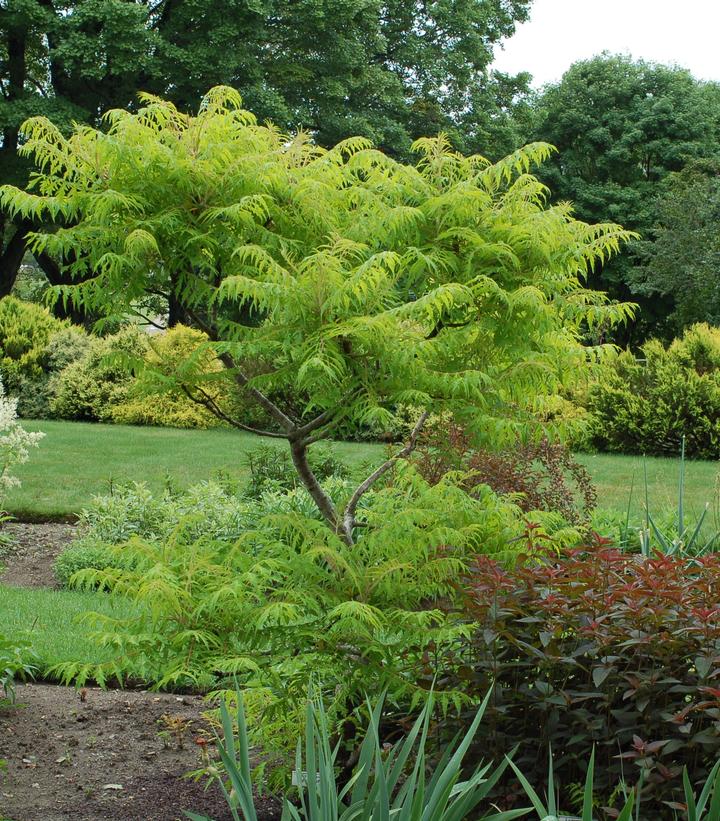
Rhus Typhina Tiger Eyes Tiger Eyes Sumac From Prides Corner Farms

Poison Ivy Poison Sumac Identify Poison Sumac Trees To Plant Sumac Plant Leaves

Rhus Typhina Staghorn Sumac North Carolina Extension Gardener Plant Toolbox

Tiger Eye Sumac Rhus Typhina Eschmidt Pa Bonsai Bonsai Soil Leaf Structure Sumac

Tiger Eyes Cutleaf Staghorn Sumac First Editions
